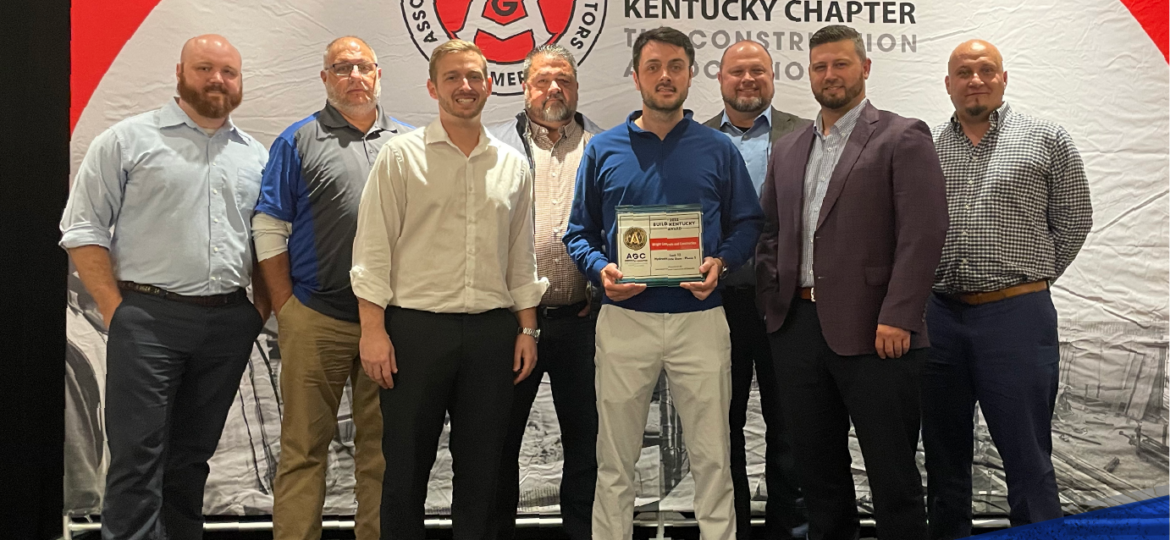
AGC Build kentucky award
The construction of the Lock 12 Hydroelectric dam was a proof-of-concept project with Appalachian Hydroelectric Associates to potentially bring large scale innovation to the energy sector of the Kentucky River. If successful in its construction and operation, it would mean the construction of 3 more hydroelectric dams along the Ky. River. The first dam proved to be successful producing over 10,000 megawatts of green energy since it was turned on with the remaining dams planned to produce 30% more. In total, the four dams combined will remove over 44,000 tons of carbon from the atmosphere every year. This project brings new life to the unused locks on the Kentucky river that have been operational since the 1990’s.
Another institution backing Appalachian Hydro Associates is Barea College. When the second Hydroelectric dam, currently in construction, the existing electrical usage of Berea College will be more than entirely offset by hydropower. As with Lock 12, revenues generated by the project will help support Berea’s mission of educating students of limited financial means.
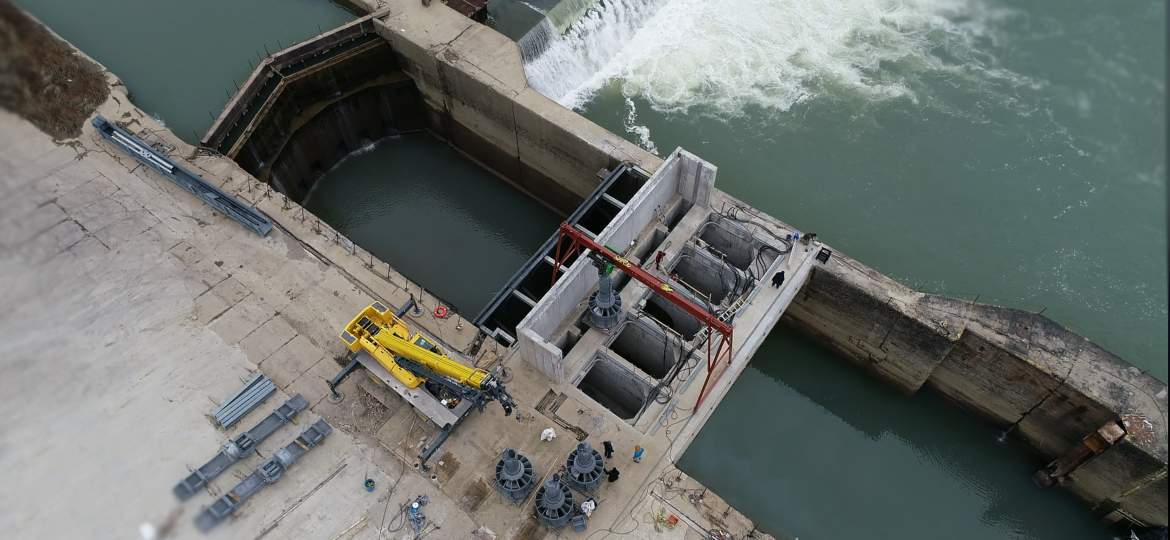
Wright Concrete and Construction played a large role in every aspect of the buildout of the Hydroelectric Dam for Appalachian Hydro Associates. We were brought in as the primary concrete and construction contractor in 2017 to help their team develop a successful strategy and execute a unique buildout that was new to the area. This was AHA’s first hydroelectric dam, and it needed to be successful. Phase 5 of the project started with cleaning of the lock following the Thanksgiving flood of 2019.
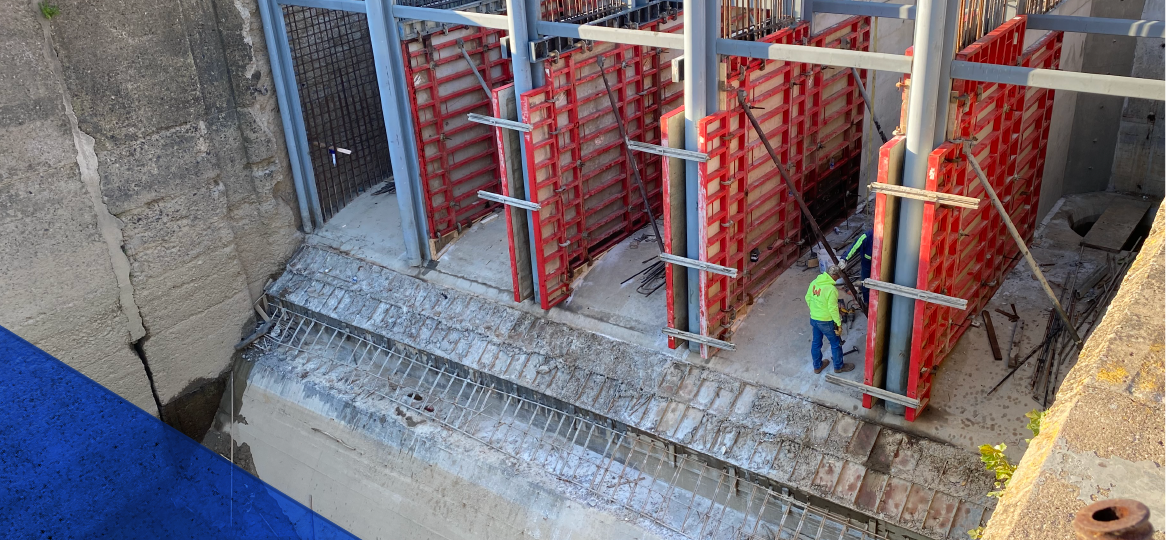
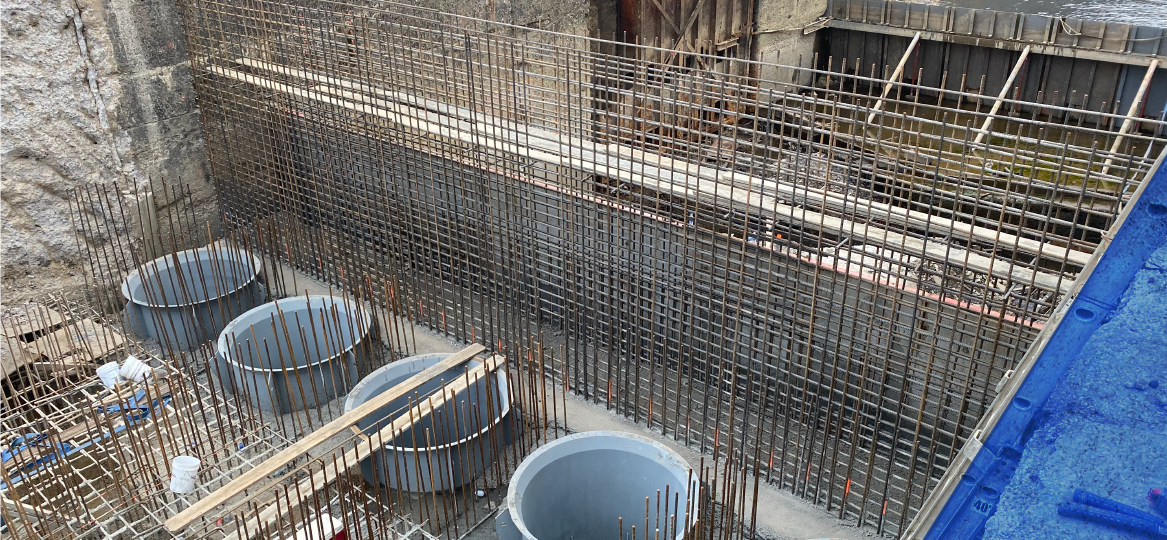
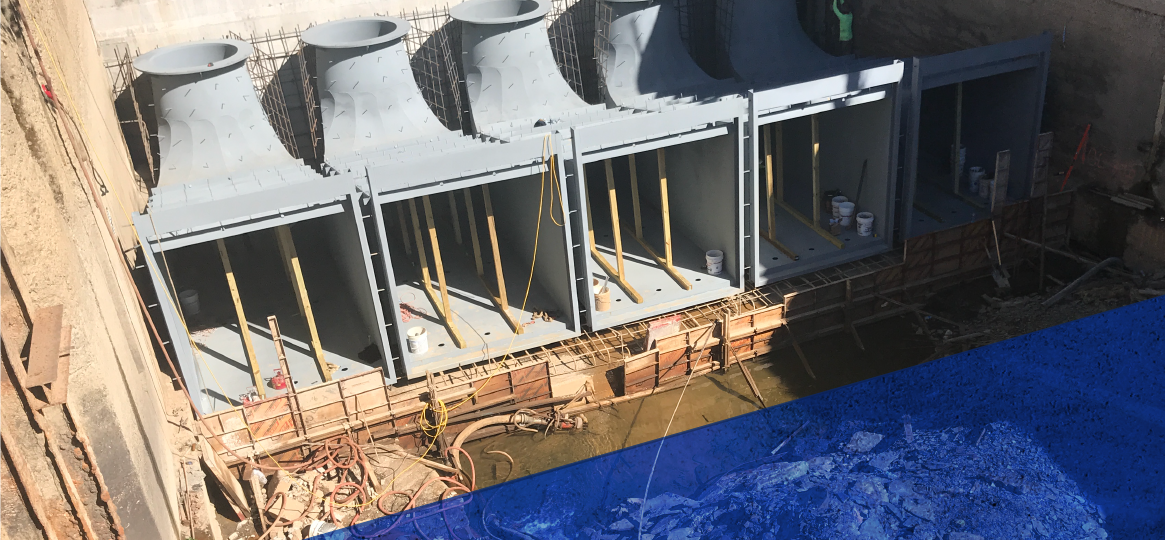
Following this, our team moved in to clean out the lock and pour all of the remaining concrete to the dam structure. We constructed and poured the turbine pit floor, the powerhouse beams of the headgate guide and stop wall guides, installed the structural steel for the stoplog, trash rack, and headwall gates, built and installed the turbine separation walls and constructed the debris concrete wall. Throughout the duration of the project, our team faced many challenges. One of the largest challenges of the project was water. We were building a hydroelectric dam on an active river. We had to ensure that our team was able to complete their tasks in a safe working environment. Dewatering the Lock while the river was still flowing around the monolith wall was a large task. During the project, out team battled multiple floods and throughout it all, our work held up and we were still able to complete the project within the predetermined deadlines. Another challenge that we had to tackle in the renovation and construction of Lock 12 was the old concrete infrastructure. Lock 12 was originally completed in 1910, lasting 110 years and it was our responsibility to make sure it lasted another 110 years. Our team had to drill and grout the monolith wall to enhance its structure, as well as drill 26 rock anchors into the bank side surface to stabilize the environment. The project was a success and we are currently constructing a new dam at Lock 14.
PROJECT CHALLENGES
During the construction of this project, our team faced a plethora of challenges; the biggest being water. In concrete work, we frequently deal with diverting waterflow from reasonable sized sources. Creeks and streams are no issue but diverting an entire river was a new challenge that we had never dealt with before. Our crews were working inside an active flowing river, 42 feet below the surface of the water. On top of the daily diversion of water, it was also a record year for floods. During the timeframe of the project, the Kentucky River had several large-scale floods. Each flood meant a new round of cleanout and a lot of trust in the work we were performing. If we slacked anywhere, damage could be done to the point of reconstruction. Our work held out the entire time without having to rebuild any it.
Following the completion of the project, The Kentucky River experienced a record level flood on March 1st of 2021. The water level rose to a point of completely engulfing the hydroelectric dam. When the water level receded, our work stood strong, and the dam was still fully functional with no damage at all.